

Newsletter Issue #8
In this issue: bad news for night owls, good news for coffee drinkers, and why I'm thinking of breaking up with my fitness tracker.

Bad News for Night Owls
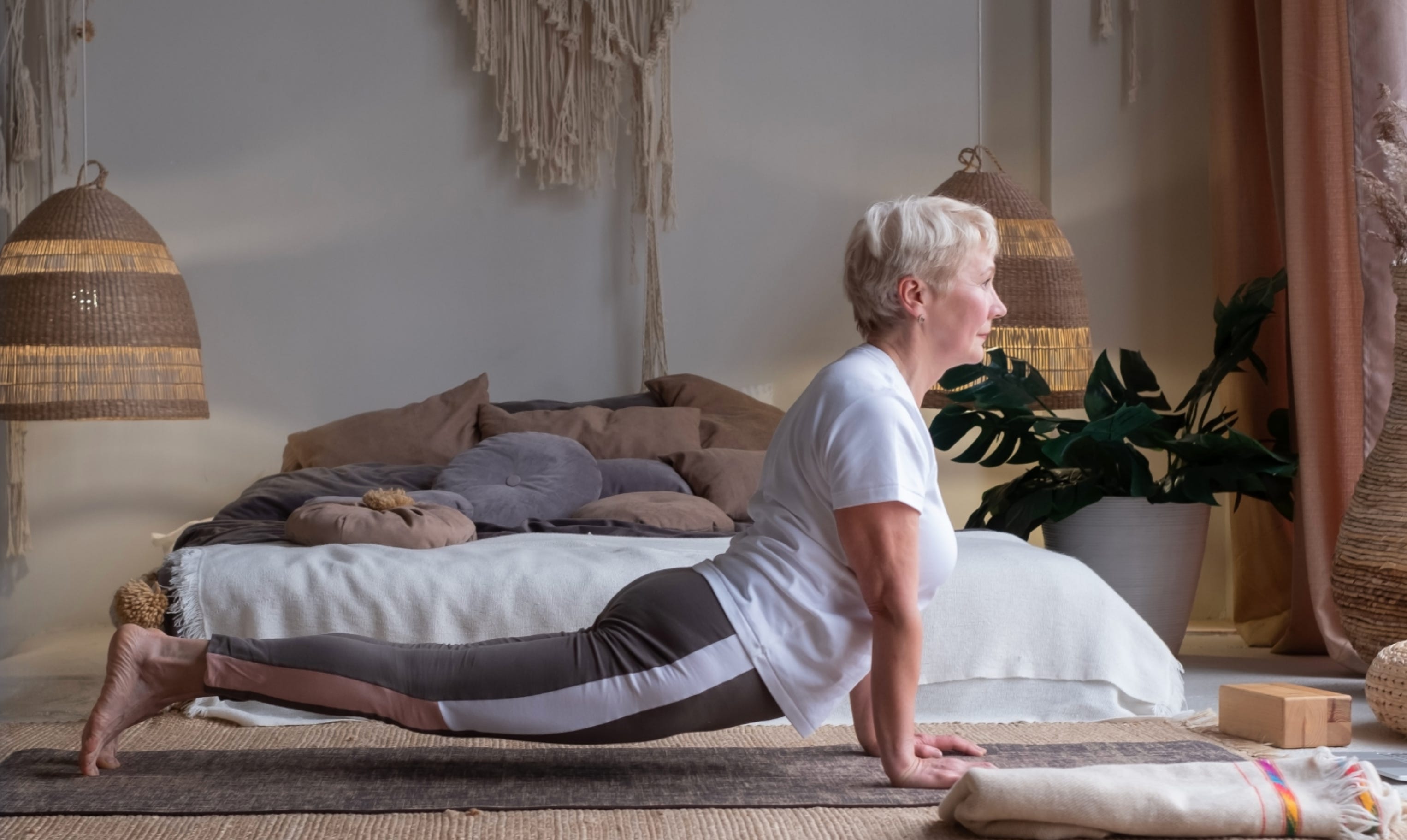
I’m a classic night owl. While Mrs D is bouncing around like a Tasmanian Devil first thing in the morning, I’m more of a sleepy panda wondering why anyone would voluntarily be awake at that hour.
That’s why this study makes slightly uncomfortable reading. The findings seem to make sense and, if I’m honest, they match my own experience. Much as I’d like to believe that staying up late is a harmless personality quirk, the evidence suggests it may come with a few downsides.
Fortunately, there are a few practical steps we can take to stack the odds back in our favour, even if early nights aren’t our thing.
Why Night Owls Face Higher Muscle Loss & Metabolic Risk, According to Research
by Ava Durgin, mindbodygreen
“Scientists are now discovering that whether you’re naturally a morning lark or a night owl isn’t just about when you feel most alert. Your chronotype (your body’s preferred sleep-wake timing) appears to influence everything from how efficiently you build muscle to how well you maintain it as you age.”
Why I’m Thinking of Breaking Up with My Apple Watch
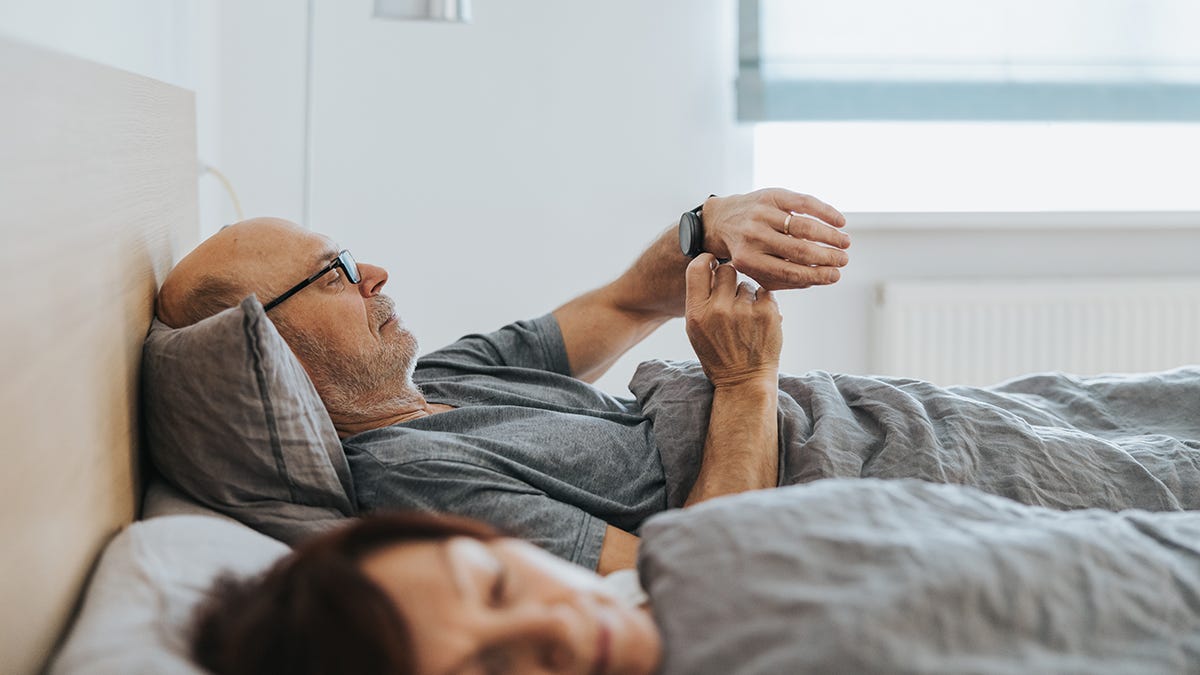
I love a gadget. At home, I have an entire drawer dedicated to the wreckage of my early-adopter habit—devices that promised to change my life before being quietly discarded.
Fitness trackers are no exception. I’ve owned more than my fair share, but this article struck a chord because I’m starting to suffer from a bit of data overload. What began as useful feedback has gradually turned into a constant stream of numbers, scores, alerts and trends competing for my attention.
In fact, I’ve become so fed up with it that I’m considering ditching my Apple Watch and trying one of those screenless fitness bands instead. Of course, solving my gadget addiction by buying another gadget may not be the most convincing strategy!
Why your wearable health tracker can make you feel anxious
By Jennifer Murphy, The Conversation
“Millions of people use a wearable health and fitness tracker. These devices can be useful for monitoring activity levels, sleep quality and heart rate. But for some, wearables can have unintended consequences on wellbeing.”
Could Coffee Be a Health Hero for Your Brain?
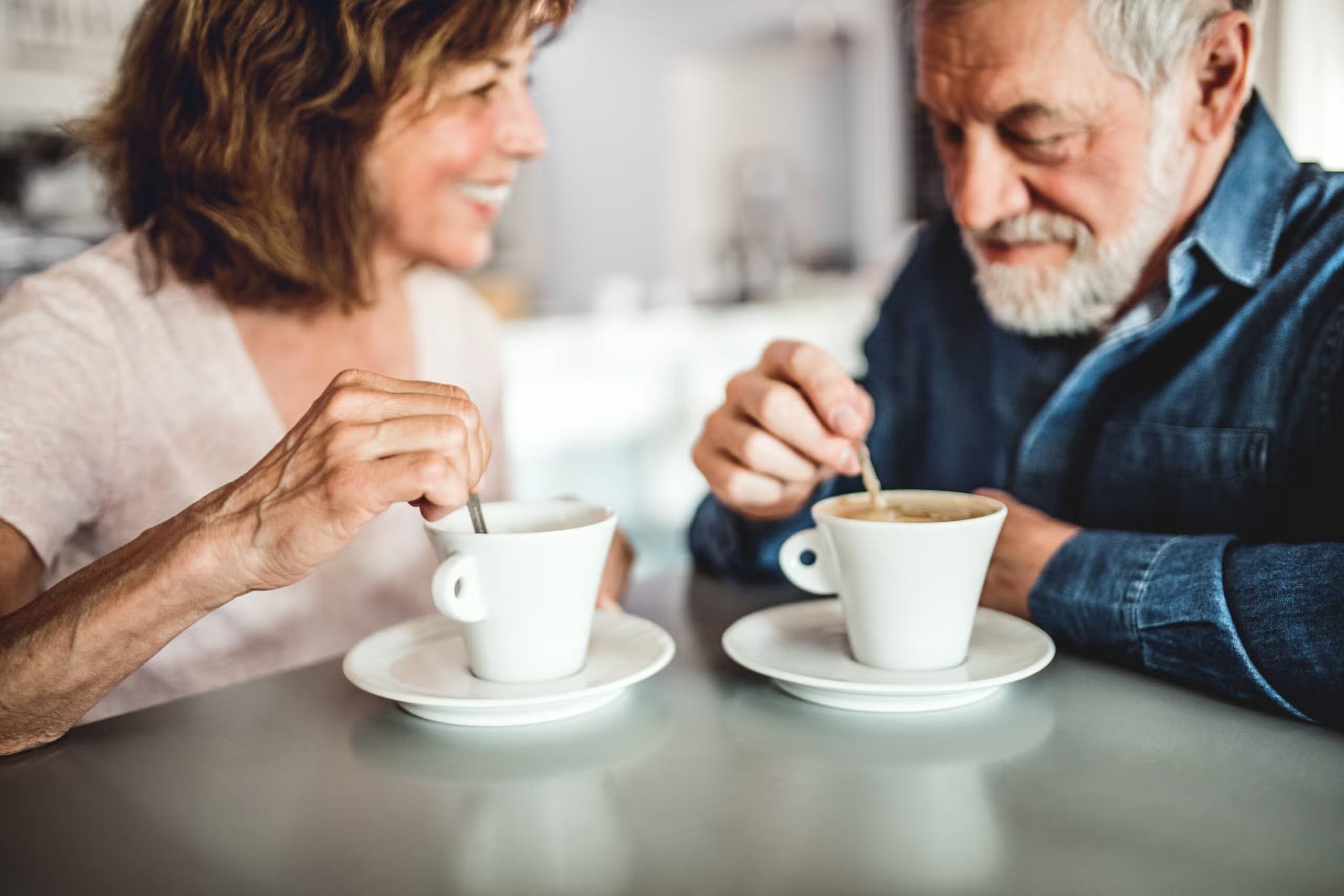
I’m not much of a coffee drinker, but it’s refreshing to see a study suggesting it might actually be good for us. Few foods seem to swing so wildly between hero and villain status. One week it’s shortening our lives; the next it’s practically a longevity supplement.
This study lands on the more positive side, which means I can look at my Nespresso machine with a little more affection and imagine it playing a small part in helping me keep my marbles for a few years longer.
Your daily coffee may be protecting your brain, 43-year study finds
By Science Daily
“A long-term study found that moderate consumption of caffeinated coffee or tea was linked to an 18% lower risk of dementia and better cognitive performance over time. The benefits appeared strongest at 2–3 cups of coffee or 1–2 cups of tea daily—and even held true for people genetically predisposed to dementia.”
From the Blog 📚
Longevity—Blessing or Curse?

In The 100-Year Life, Lynda Gratton and Andrew Scott argue that longevity is a fundamental shift in society that will affect how we learn, work, save, spend, build relationships and think about our future. This isn’t really a book about living to 100. It’s a book about what happens if you do.
Beyond BMI: Why Waist-to-Height Ratio May Be a Better Measure

For decades, BMI has been the default method to judge whether someone is a healthy weight. Waist to height ratio may be a better measurement based on where fat is located.
One Last Thing 🍎
Studies have found that people eat significantly more fruit when it’s served sliced rather than whole. One study reported an increase of more than 60% in apple consumption when apples were pre-sliced, removing the effort of biting into and preparing the fruit. A simple trick is to keep an apple slicer next to the fruit bowl. It makes the healthy choice just a little bit easier.
Medical Disclaimer: This article is for general information only and does not constitute medical advice. The needs of every reader are unique; please consult your GP or a qualified healthcare professional before making changes to your diet, exercise routine, or medication. Never ignore professional medical advice because of something you read online.