

Newsletter Issue #5
In this issue, check if you're a reaction ninja or panda, go nuts for nuts, and some unfortunate news for couch potatoes.

Are your reaction times formula one or sunday afternoon at the garden centre?
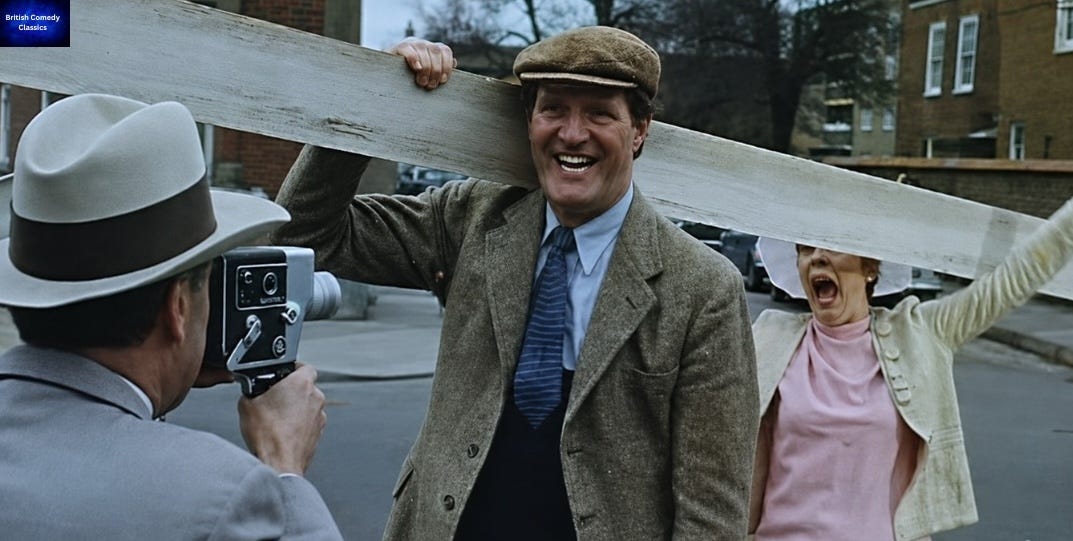
Most of us never think about our reaction time until we almost take a tumble trying to avoid stepping on the cat, misjudge a kerb or realise our body now responds to surprises with all the urgency of a Windows 95 laptop.
As we age, the brain processes information a bit less quickly, nerves conduct signals more slowly and muscles lose some of their explosive power. Faster reactions are strongly linked to better mobility and lower fall risk, which becomes increasingly important as we get older.
The good news is that reaction time is trainable to a surprising degree. Regular movement, strength training, balance exercises and activities involving coordination or quick decisions can all help keep the system sharper. Think of it as another useful part of healthspan. Not becoming a ninja exactly, but perhaps remaining quick enough to avoid an embarrassing encounter with a plank of wood. Give it a try.
How old are your reactions?
By justpark.com
“We surveyed 2,000 people and asked them to play the game. Your predicted age is the age that most closely matches the age of people with your reaction time.”
The case for more nuts in your life
If the only time you ever see nuts is in a stocking at Christmas, it may be time for a rethink. These little marvels are heart friendly, gut friendly and guaranteed to stop the munchies. What’s not to like?
Want to boost longevity and lower the risk of heart disease? Eat nuts
By Eric Verdin, Buck Institute
“Participants who followed the Mediterranean diet supplemented with a daily serving of mixed nuts saw about a 30% reduction in major cardiovascular events…”
The best brain training might be a crossword. On a bike
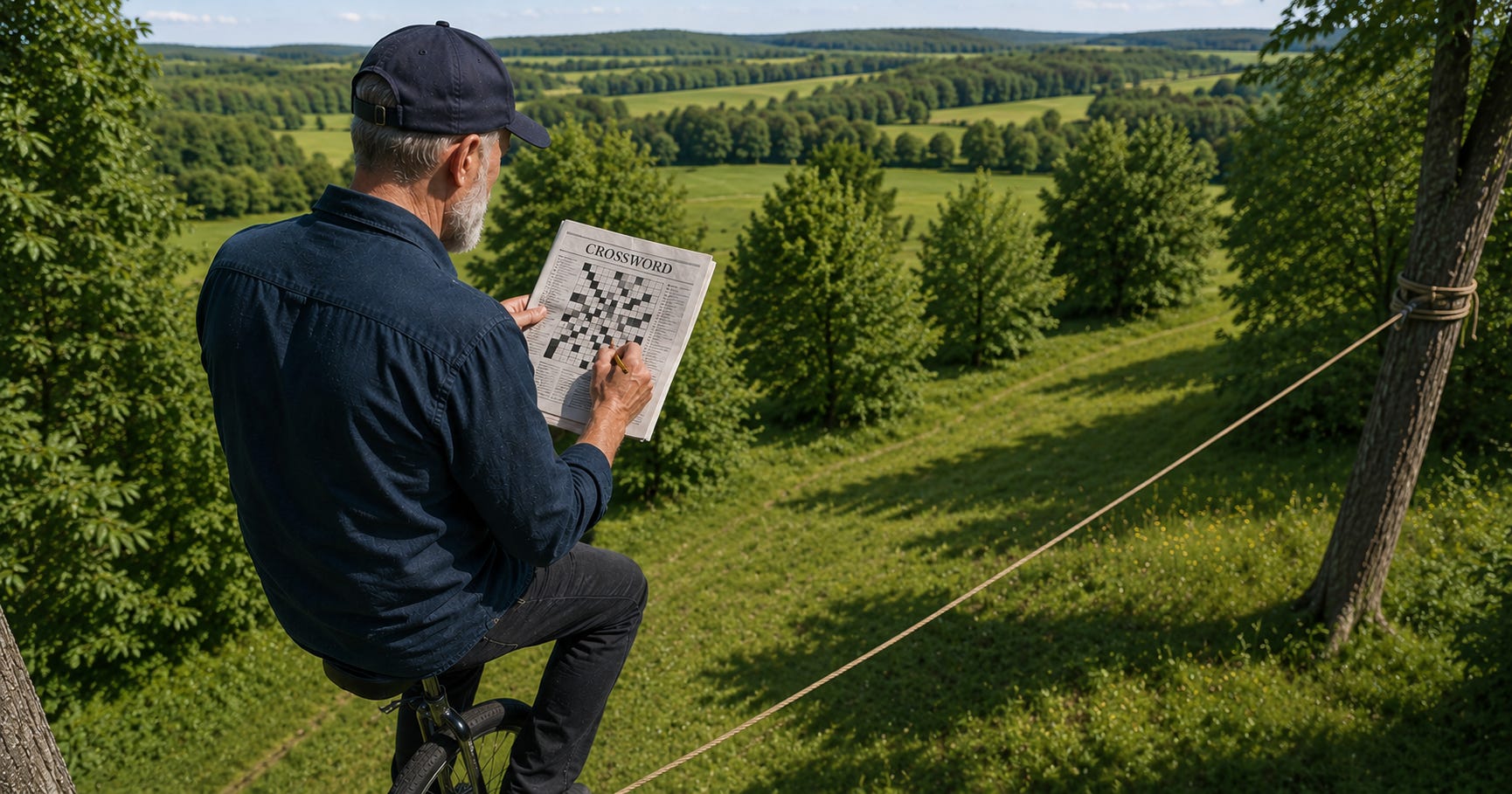
Brain games are supposed to help cognitive function. Exercise is good for the brain too. Put them together and you get something called dual-task training, one of the most useful — and surprisingly fun — things you can do as you age.
The idea is simple: move your body while making your brain work at the same time. Walking while counting backwards from 100. Balancing on one leg while recalling a number sequence. Unicycle not required.
It may sound slightly daft, but real life is basically one long dual-task test anyway. Walking while talking. Carrying shopping while avoiding tripping over the kerb. Research suggests this ability is strongly linked to balance, fall prevention and staying independent as we get older.
Unlike most brain-training apps, this one also gets you off the sofa.
Six exercises to improve your Coordination
By Hannah Singleton, The New York Times
““Aging is not just about staying strong — it’s about keeping your brain adaptable,” Dr. Bayzick said. Because the brain often learns best when it’s engaged, most coordination training involves more novelty and playful movements than traditional exercise does.”
From the Blog 📚
The new health gap nobody wants
A major new study suggests the biggest heart-health benefits may require dramatically more activity than current guidelines recommend — particularly for people who are already unfit. Before you throw your trainers into a hedge, though, the findings are far more interesting — and far more nuanced — than the headlines suggest.

Your brain is amazing, until it tries to be your life coach
It’s remarkable how quickly the brain can produce a convincing list of reasons not to change anything. Too tired. Too late. Too busy. Weather looks iffy. That’s the gremlins talking.
Whenever we try to improve our healthspan, whether it’s exercising more, eating better, or finally admitting we should probably own a resistance band, the brain often treats change as a threat rather than an opportunity.
So here are a few more of the mental gremlins that quietly sabotage progress, along with some ways to shove them firmly back in their box.

One Last Thing 😴
Your home environment shapes your health more than most people realise. If sleep has become patchy, restless or elusive, try implementing a simple “no electronics” rule in the bedroom. No television. No scrolling. No laptop glowing away in the corner. Commit to it for a week and there’s a good chance your sleep — and possibly your mood — will noticeably improve. Give it a try.
Medical Disclaimer: This article is for general information only and does not constitute medical advice. The needs of every reader are unique; please consult your GP or a qualified healthcare professional before making changes to your diet, exercise routine, or medication. Never ignore professional medical advice because of something you read online.