

Newsletter Issue #13
Inside this issue: turning our World Cup obsession into a potential new pastime, uncovering the diet trends the nation is googling, and—deep breath—having a good long think about death.
Unleashing Your Inner Messi
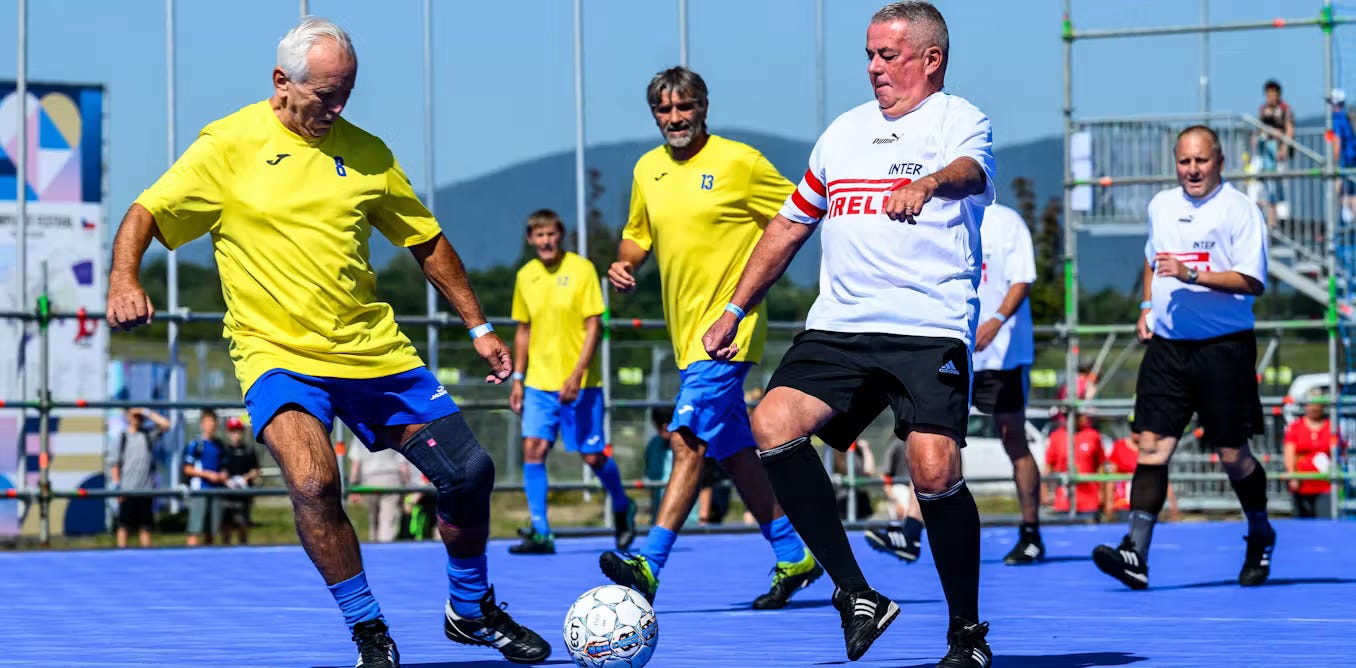
This week brings the World Cup final and, if you’re a follower of the beautiful game (it’s Football not Soccer), you’ve probably watched the matches, kicked every ball and shouted at the television as players stubbornly refused to follow your expertly crafted instructions.
Like me, you may have assumed your own footballing days were long behind you. This article, however, might persuade you to squeeze back into those England ‘86 shorts, and give walking football a try.
It looks great fun and the published research suggests some serious benefits for fitness, brain health and social connection. Hand of God not required.
Why walking football offers older people a different story about ageing
By Gareth M. Thomas, Cardiff University
“Finn, 65, described the experience this way: ‘You think you’re never going to kick a ball again or do anything. And all of a sudden, all that twisting and turning, it’s still there. I hit some goals in last night. It was like going back to when I was twenty’.”
Welcome to the Age of Ageing – or Is It Anti-ageing?
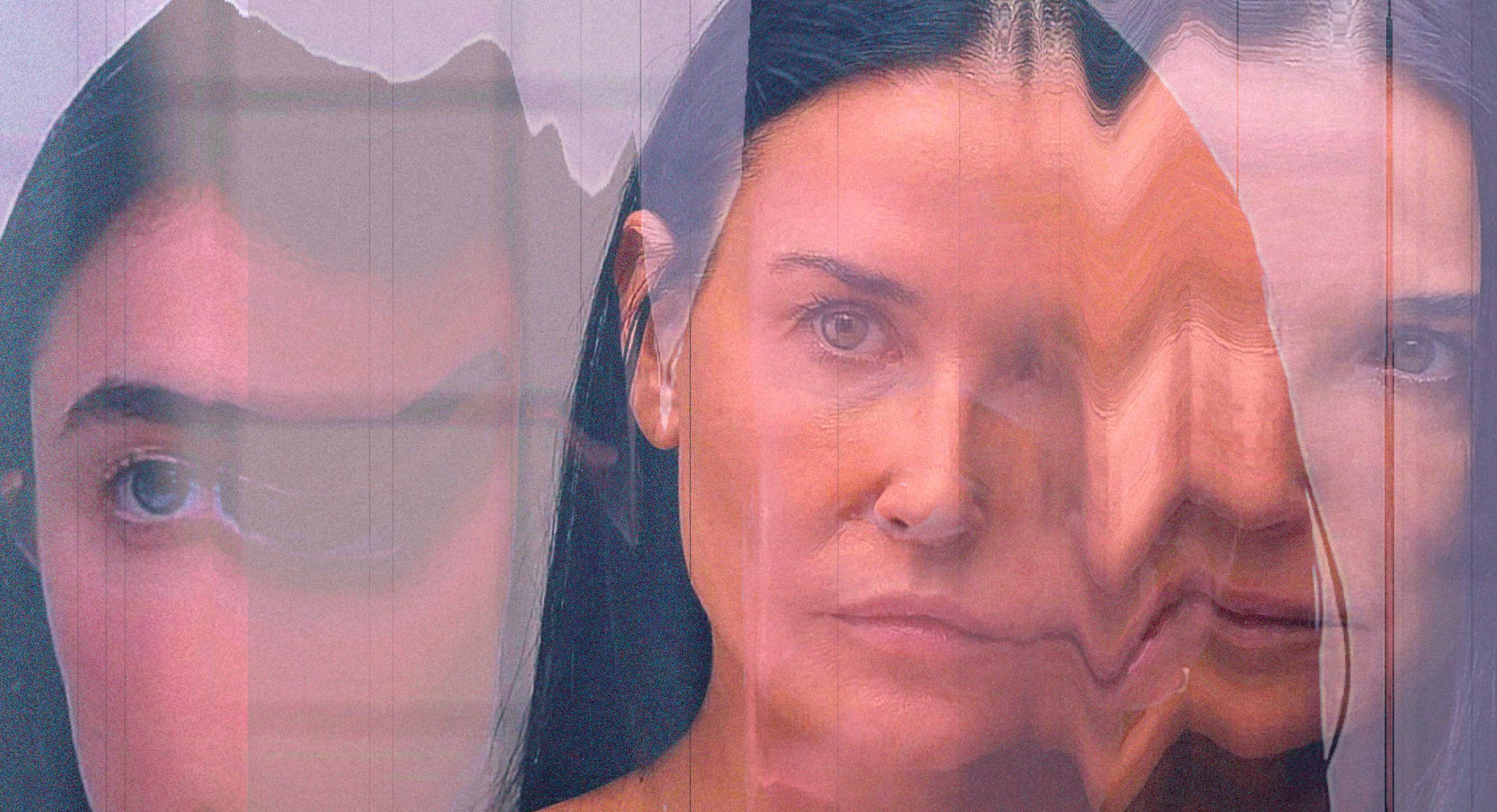
I try to read as widely as possible about healthspan, longevity and ageing. Much of what I come across is, frankly, ‘woo’; the rest are little more than a carefully disguised sales pitches from people with supplements, programmes or miracle solutions to sell.
There are, however, plenty of thoughtful contributors offering valuable insights into a subject that is complex, fast-moving and often controversial.
This article, for example, left me nodding enthusiastically at one paragraph, then shaking my head the next. I’ll resist giving too much away 🤐. It’s probably better that you read it and reach your own conclusions.
‘Anti-ageing is anti-life’: why longevity culture is just ageism in a lab coat
By Theresa MacPhail, The Guardian
“Researchers in this space have a phrase we like to use a lot,” Lytle said. “Anti-ageing is anti-life. Ageing happens from the second we’re born; we just call it ‘development’. Ageing is part of life itself. You can’t get rid of it, and I don’t think we should try to.”
The Whole Country Is Searching for Their Perfect Diet – on Google
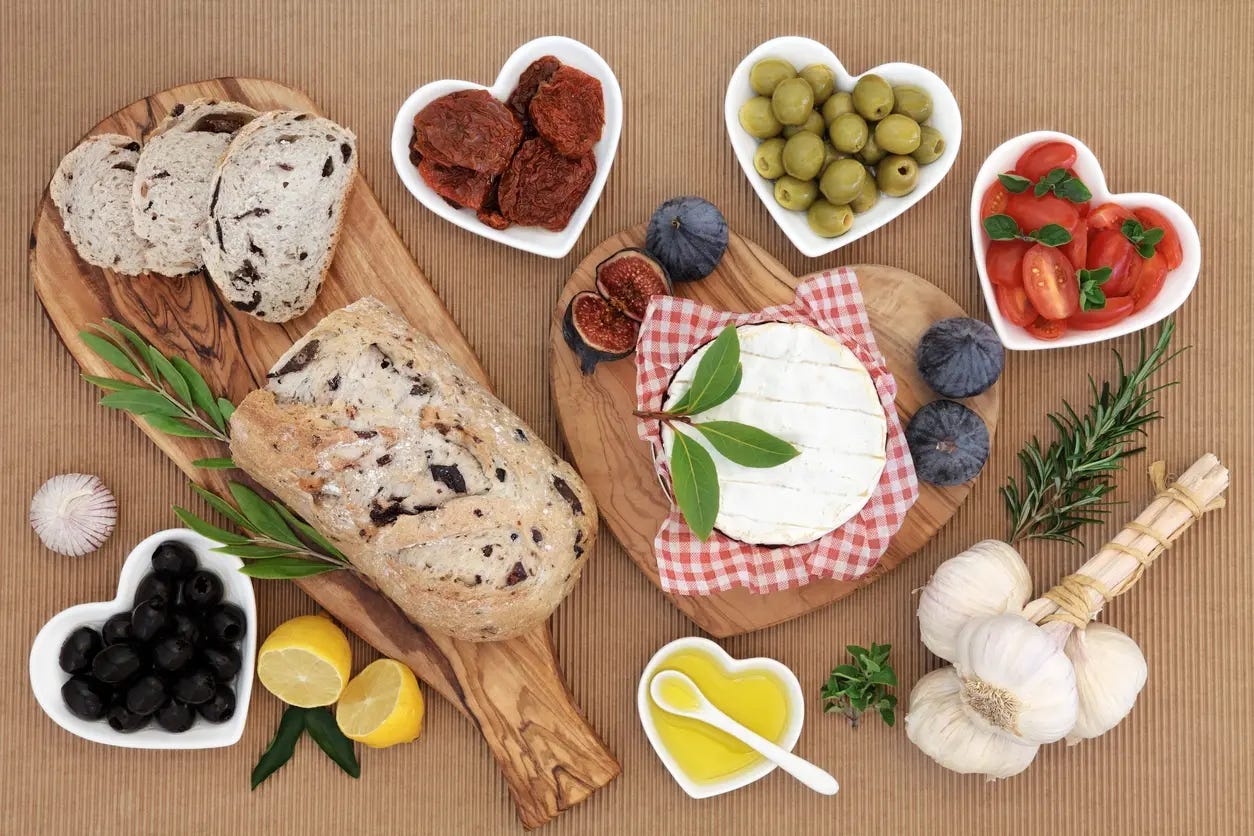
Few obsessions seem to occupy generation after generation quite like the search for the perfect diet. Yet this is hardly a modern preoccupation. One of the first popular diet books was published in London as far back as 1863.
In Letter on Corpulence, Addressed to the Public, retired undertaker William Banting described how he had lost weight by following a strict low-carbohydrate diet. His small booklet was an immediate success, became a bestseller and even turned his surname into a verb: for a time, people spoke of ‘banting’ when they meant dieting.
Fast-forward to the present and we now have access to more nutritional science, conflicting advice and cat videos than anyone could possibly consume. The search for the perfect diet has simply moved online, and this article offers a fascinating insight into what people across the UK are entering in their search bar.
Diets come and go, but the hunt for the ‘best’ one appears to be as popular as ever.
The UK’s most googled diets revealed by search data
By Daniel Hurly, The Independent Pharmacy
“In contrast, plant-based and health-focused diets have gained traction and entered the rankings. Vegan, vegetarian and DASH diets have all seen significant growth in search interest, indicating a rising focus on balanced, sustainable eating habits.”
From the Blog 📚
Lessons from a Chess Match with Death

“It is not that we have a short time to live, but that we waste much of it.” – Seneca
One of the strangest things about modern life is how much time we spend pretending we’re not going to die. A little memento mori can be surprisingly life-affirming.
One Last Thing 🍽️

Did you know the colour of your plate can trick your brain into overeating? Known as the Delboeuf illusion, this happens when your food matches your dinnerware. Without a sharp contrast, the edges of your food blur, making the portion look smaller and causing you to serve more. To keep on top of your portion sizes, simply choose a plate with a high-contrast colour.
Medical Disclaimer: This article is for general information only and does not constitute medical advice. The needs of every reader are unique; please consult your GP or a qualified healthcare professional before making changes to your diet, exercise routine, or medication. Never ignore professional medical advice because of something you read online.