

Newsletter Issue #12
In this issue: we explore how healthspan is gaining ground in the medical world, discover why table tennis is 'high-speed chess', and reveal what your 'dead-hang' time has to say about your future.
Healthspan Is Finally Moving into Mainstream Medicine
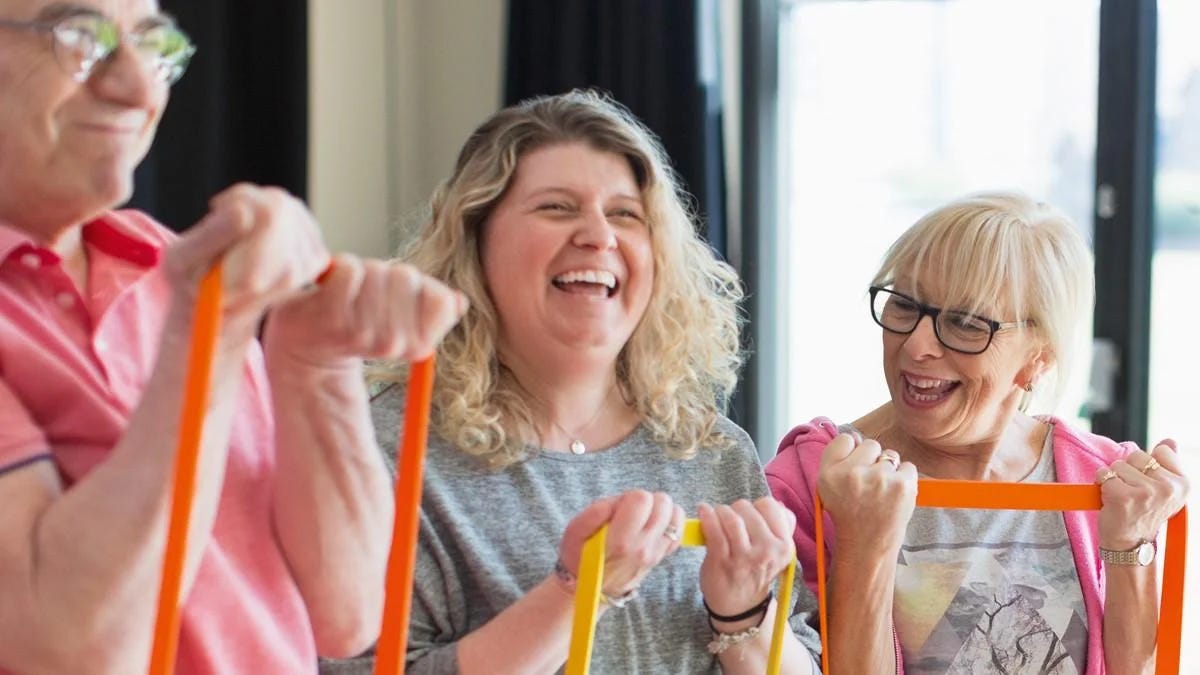
A new framework from clinicians at the Mayo Clinic argues that medicine should focus less on simply extending life and more on preserving physical function, independence and cognitive health throughout later life.
This matters because healthspan is starting to move beyond the world of longevity marketing and become a serious clinical concept.
In other words, the medical world is finally catching up with what I’ve been saying all along: helping people build and maintain their capability is every bit as important as treating the diseases and decline that come with ageing.
Rethinking aging: Why ‘healthspan’ matters as much as lifespan
By Marla Broadfoot, Mayo Clinic
“Traditional measures like lab values or survival rates do not tell us whether someone can manage their daily activities, stay socially connected or continue living safely and independently. That is a critical gap in how we define success in medicine.”
The Best Mid-Life Sport for Body and Brain?
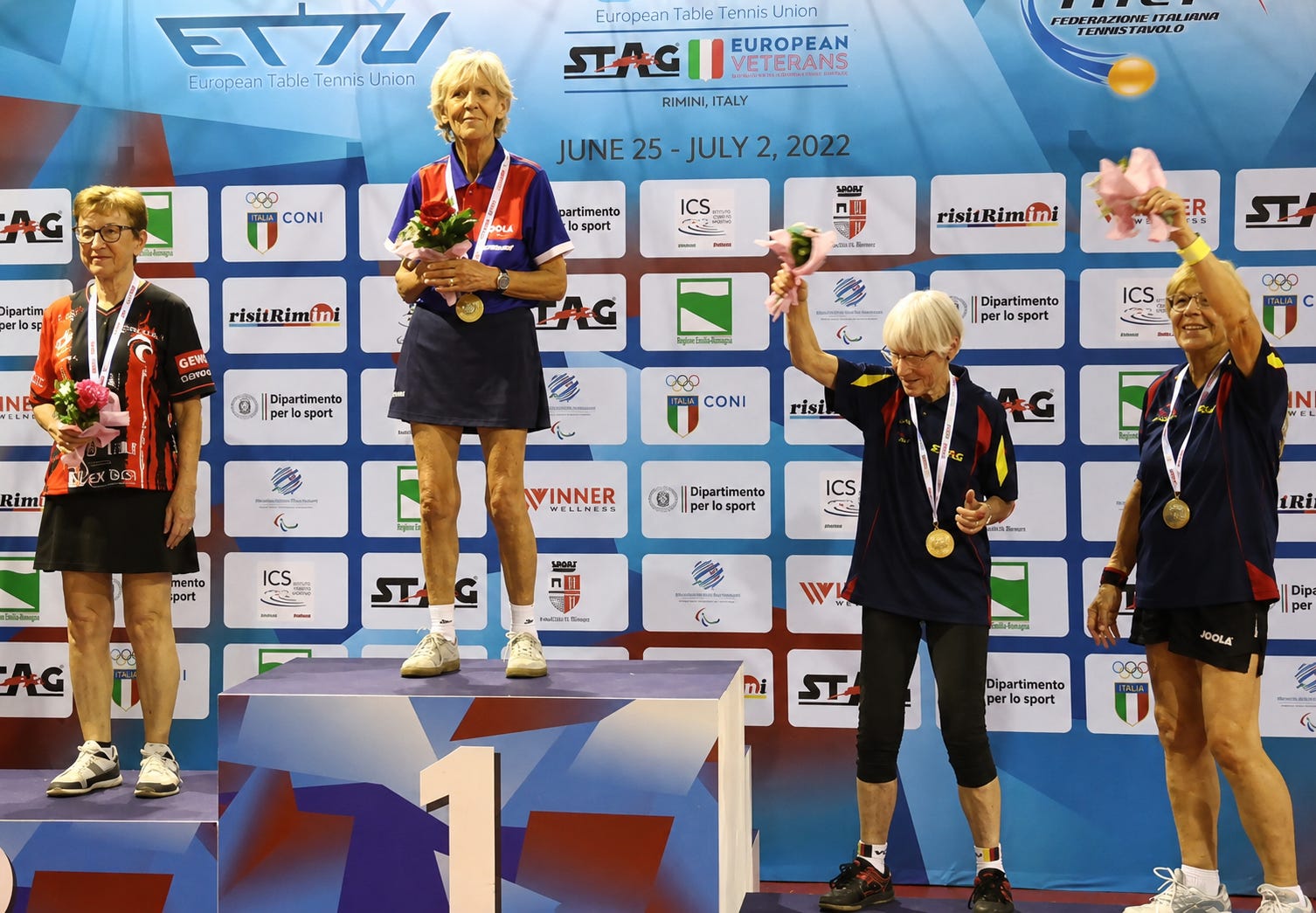
Table tennis is often described as the world’s leading “brain sport” because it demands so much at once: quick movement, constant visual tracking, rapid decision-making and tactical thinking. It’s known as “high-speed chess” for good reason. I love it.
It can also be an excellent activity for people living with Parkinson’s. Research suggests it may support hand–eye coordination, balance, walking ability and cognitive function, while the social side of the game can provide a welcome boost to confidence and wellbeing.
Best of all, it’s a sport that can be enjoyed at almost any age, which makes it particularly good for a bit of intergenerational rivalry — unless it’s the 12-year-old doing the thrashing.
One final warning: whatever you do, don’t call it ping-pong. That’s the quickest way to annoy a serious player.
The best mid-life sport for brain and body? It has to be table tennis
By Antonia Hoyle, The i Paper
“…a 2014 study on elderly adults published in the Journal of Exercise Rehabilitation found that ‘table tennis exerted a greater influence on cognitive function than other types of exercise’.”
More Evidence Shows How Exercise Helps Ageing Muscles Stay Healthy
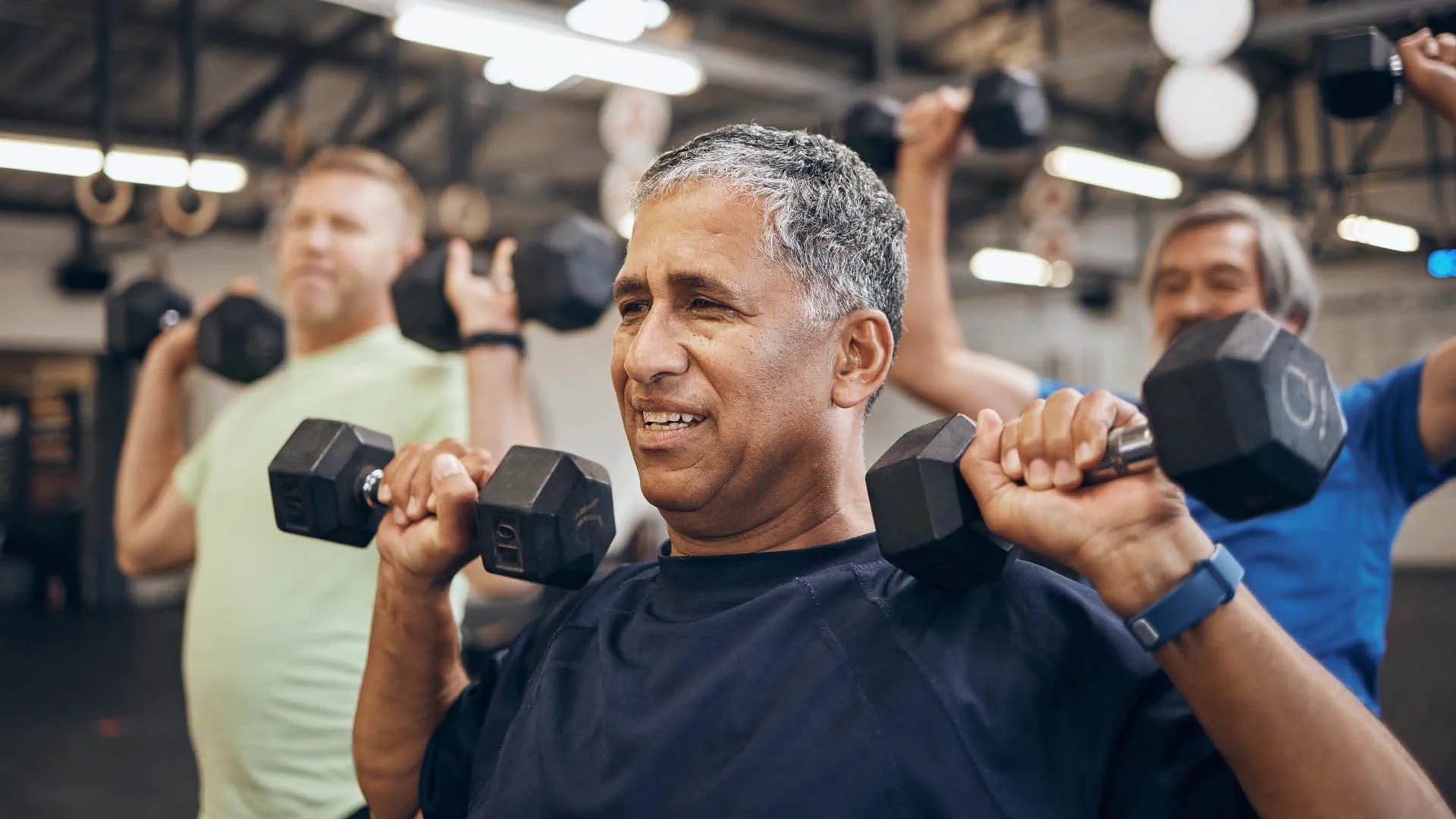
Here’s yet more evidence of the power of exercise in repairing and maintaining our ageing bodies. Scientists have discovered how physical activity signals a ‘cleanup and reset’ process, removing damaged proteins, stimulating repair, and preserving muscle strength.
While regular exercise remains the most potent intervention against ageing, this research could also pave the way for future treatments tailored for those unable to train due to illness or injury.
Scientists uncover how exercise reverses muscle ageing by switching off key gene
By Open Magazine
“Physical activity activates certain proteins which lower DEAF1 levels, bringing the growth pathway back into balance. This allows aging muscles to clear out damaged proteins, rebuild themselves properly, and help them stay stronger and more resilient.”
From the Blog 📚
Grip Happens: What the Dead Hang Test Reveals About Your Healthspan

Currently the darling of longevity influencers and fitness experts worldwide, this test is often cited as one of the strongest predictors of longevity as we age. Now you can try it yourself.
One Last Thing 😴
Exercise builds muscle, but sleep finishes the job.
Sleep isn’t a luxury; it’s when your body repairs itself, your brain files away memories, and tomorrow’s energy gets topped up.
Medical Disclaimer: This article is for general information only and does not constitute medical advice. The needs of every reader are unique; please consult your GP or a qualified healthcare professional before making changes to your diet, exercise routine, or medication. Never ignore professional medical advice because of something you read online.