

Cardiac Diary Part 6: The 'Vampire' and a ‘Little Death’
Back home and reality sinks in. It's time to come to terms with my situation and fashion a new identity while my body slowly puts itself back together again.

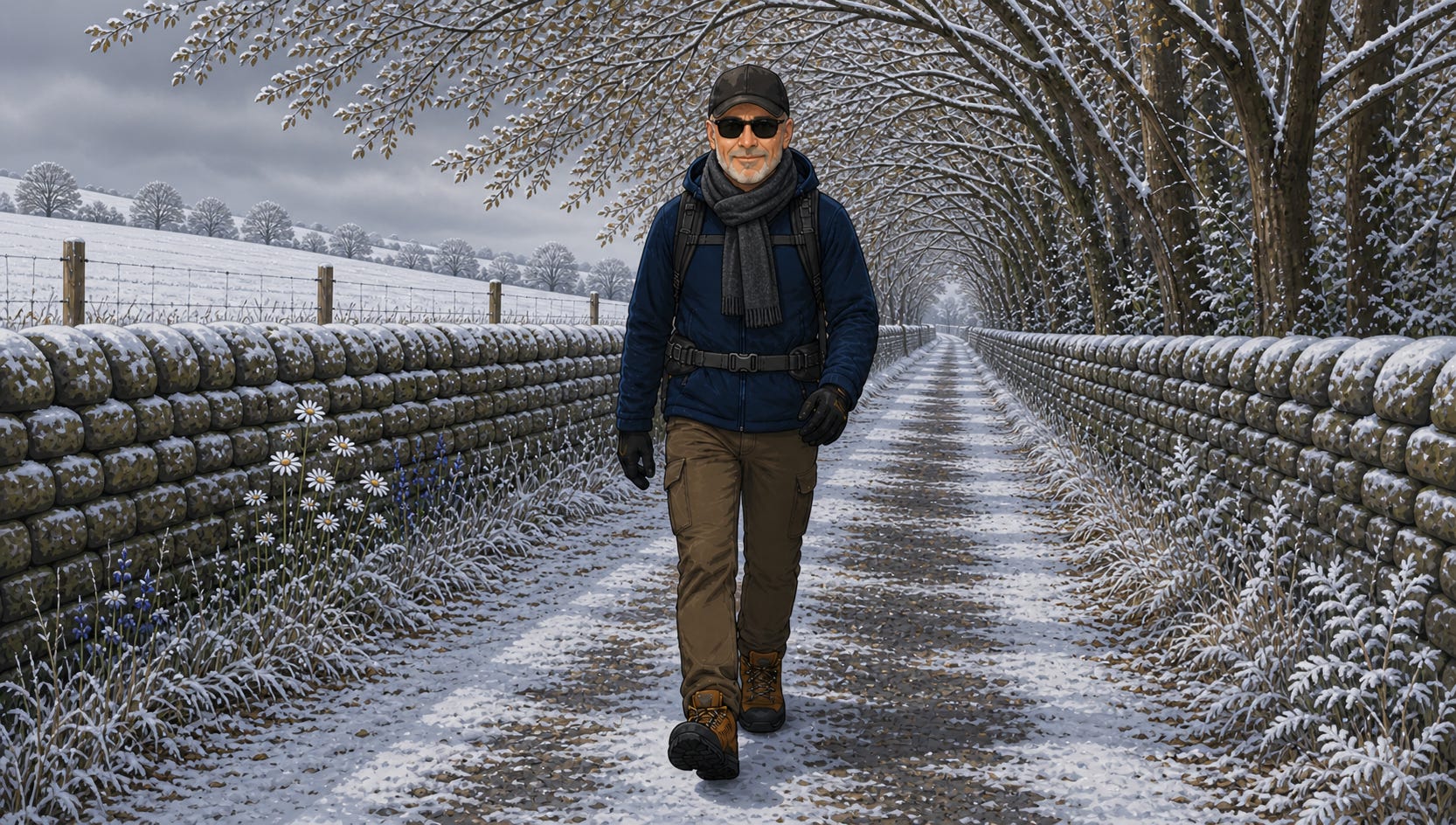
As I gingerly stepped out of the car and back into the house, everything looked the same, but the geography of my life was about to become very different.
Post-op recovery comes with a list of prohibitions so long it feels more like detention than convalescence (No driving, cycling, overhead lifting or hod carrying 😅). The worst of it? Sleep. I wasn’t allowed upstairs, and I had to sleep on the sofa, bolt upright. For a confirmed front-and-side sleeper, this felt like a mean prank played by the universe on the very idea of a ‘restful recovery’.
As it turns out, recovering from something of this magnitude is far from restful. My body was ‘all hands on deck’, frantically repairing the damage. I learned quickly that recovery isn’t a neat, upward line; it’s messy.
Enter the vampire
My new base was the sofa. Once I was stocked up with a mountain of pillows and my ‘distraction machinery’ (iPad, TV remote), I had a moment to take stock.
It wasn’t pretty. A livid wound snaked from my left ankle to mid-thigh, alongside dressings over the holes left by the drains in my chest and a rectangular patch over my sternum. Some people take graphic selfies at this stage; I opted for denial.
Then came the meds: 25 tablets a day—painkillers, diuretics, the lot. One drug even required me to avoid sunlight. Like a newly minted vampire, I could only venture outside clad in a hat, sunglasses and gloves.
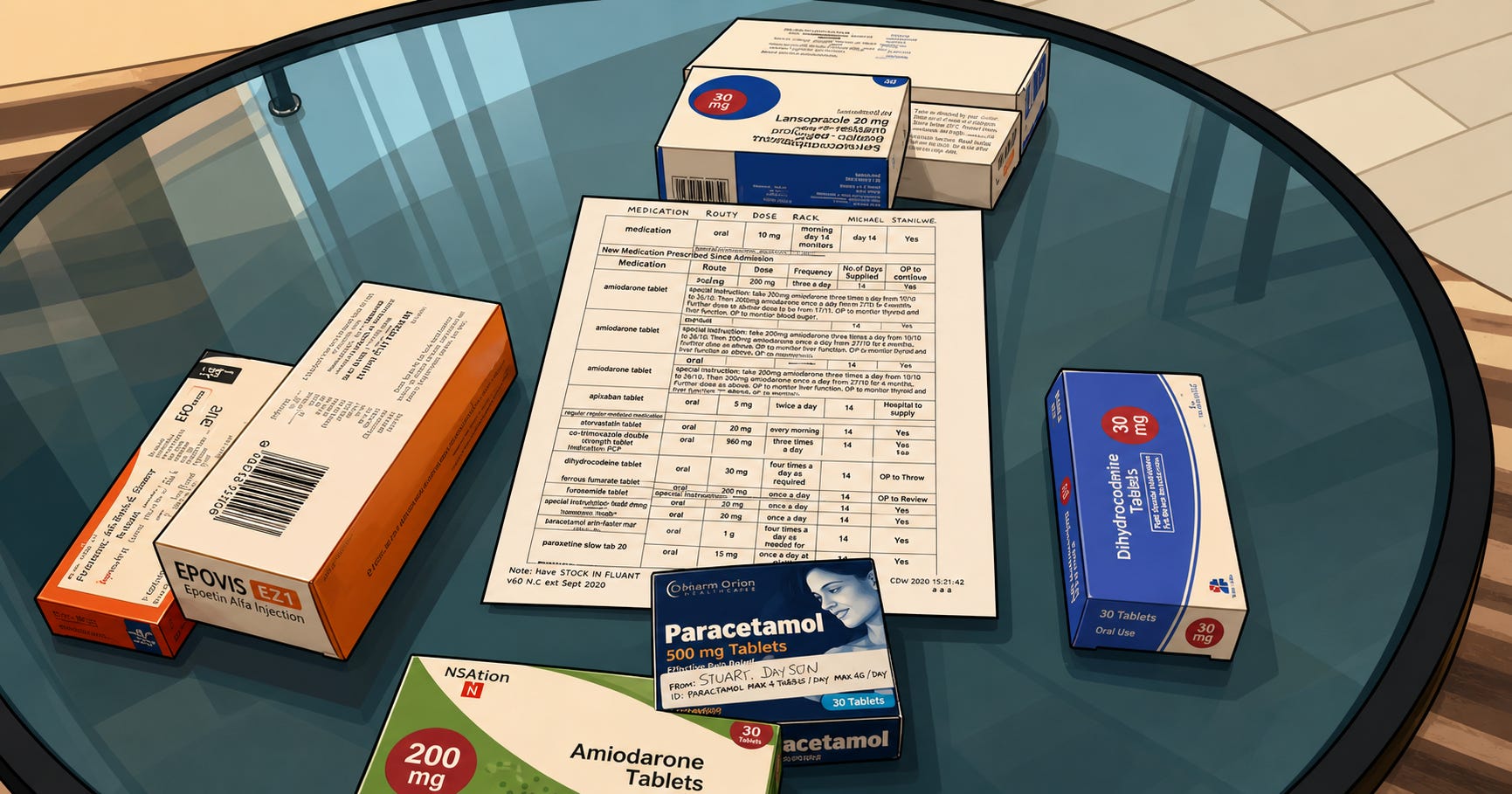
Trying to sleep was a torment. A symphony of unfamiliar pains, grinding noises and rhythmic whooshing sounds kept me wide awake most nights—not unlike a vampire. I spent those days in a fog of pain, boredom and “why me?” self-pity. My family, poor souls, had to share a house with a wounded animal.
I don’t actually remember much of this period, so I asked Mrs D what I was like. She’s a naturally sunny person, but her mood darkened instantly. “You were horrible to be around,” she said, “In fact, you were a shit.”
Fair enough.
The mind blocks out its own worst moments, but the ripples of recovery affect everyone. It’s easy to forget our loved ones are having their own experience of it too, and not often a pleasant one.
Small wins
After a few days, I attempted the stairs. I can only liken it to summiting Everest without oxygen. I reached the top and sat down to survey the milestone of sixteen steps. My heart was pounding and I was panting like a dog after a bout of ‘the zoomies’, but I’d just increased my world by a whole floor.
The reward was the luxury of a bed, a first shower, and—most importantly—the ‘first poo’. Constipation is the dark secret of major surgery; pain medication essentially puts your insides on hold. Managing that first bit of business is a genuine milestone in becoming a full human again.
A week in, I headed to the GP to have my stitches removed. The nurse peeled back the dressings, frowned, checked and then rechecked her paperwork.
“It looks like your incisions were glued,” she said. “I don’t actually have anything to do.”
All that stressing for nothing. I took the small win and left.
Walking the walk
Over the following weeks, I spent quite a bit of time feeling low about the ‘little death’ of my old self. The person I was before the surgery no longer existed, and I had to mourn him before fashioning someone new.
That new self started with a walk.
I can’t stress enough how vital it is to get moving. My daily ritual quickly established itself—and was maintained with near-military discipline:
Togged out in my ‘vampire’ outfit (hat, gloves, sunglasses)
Location tracking on, speed-dial ready, family briefed on the route
Striding along a traffic-free country track, checking my heart rate monitor like a nervous pilot
I chose an audiobook that I only allowed myself to listen to while walking. By the end of six weeks, I’d built up to 60 minutes at a decent pace and ticked off some great books from my ‘to read’ list.
By now, I’d even managed to migrate the pillows down to a flatter sleeping position, making nights more about sleep than staring at the ceiling. It does get better.
AF: the reckoning
After six weeks, it was time for the discharge meeting. My surgeon seemed satisfied but mentioned that my heart didn’t have a particularly robust supply of blood vessels—interesting. I suspect that’s why I’ve always been rubbish at long-distance events; I didn’t have the plumbing.
Then came the atrial fibrillation moment of truth.
He sent me for one final ECG. Once completed, I returned to the office clutching the printout, convinced the squiggly lines were ‘all wrong’. After a short pause, the surgeon looked up.
“All looks fine, no AF. You’re good to go.”
I practically skipped out of there. Gently ejected from the NHS and back into the wild.
Up next: cardiac rehab.
This is Part 6 of my Cardiac Diary. In the next post, I’ll write about my experience joining a local Cardiac Rehab course. Until next time…
Medical Disclaimer: This article is for general information only and does not constitute medical advice. The needs of every reader are unique; please consult your GP or a qualified healthcare professional before making changes to your diet, exercise routine, or medication. Never ignore professional medical advice because of something you read online.